The Cebu network is a typical legacy system: 1970s cast-iron mains laid under narrow streets, patched for decades, losing close to a third of its treated water before it reached a meter. The utility needed a replacement that could be installed fast, in short trench sections, without shutting down supply to entire districts.
Project background
Cebu City's water district serves more than 420,000 people across a coastal strip where the water table is high and the road corridor is shared with power ducts, telecom bundles and storm drains. Non-revenue water had reached 31%, and the utility faced both financial loss and intermittent supply at the ends of the network. The brief was straightforward in words and difficult in practice: replace 12 km of distribution main, keep every street connected, and finish before the typhoon season.
What we supplied
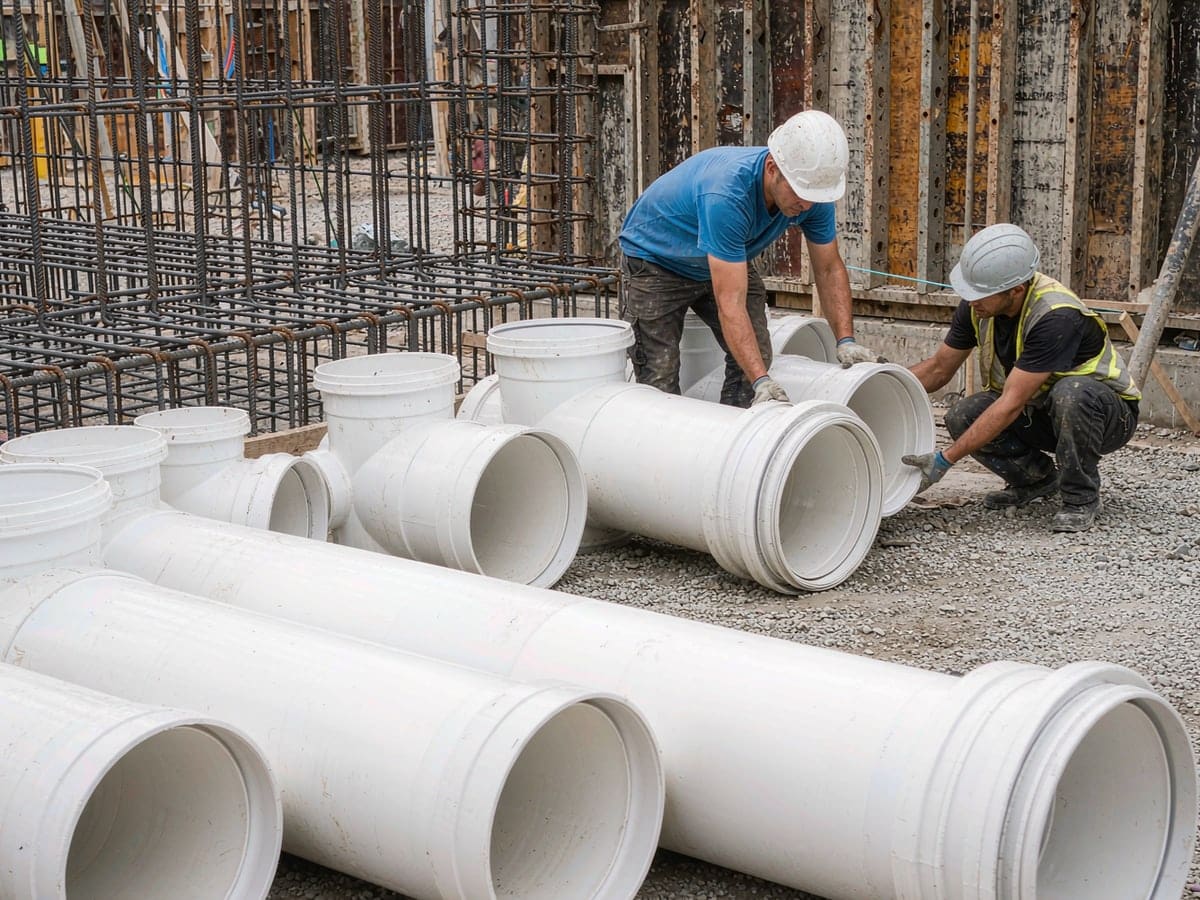
- De315 and De250 PE100 SDR17 for trunk sections, De160 and De110 for branch mains, De63 for service connections
- PE100 SDR11 pipe for two river crossings and one road-bore section where the cover was shallow
- Electrofusion saddles, reducing tees and transition fittings from PE to the existing ductile-iron valves
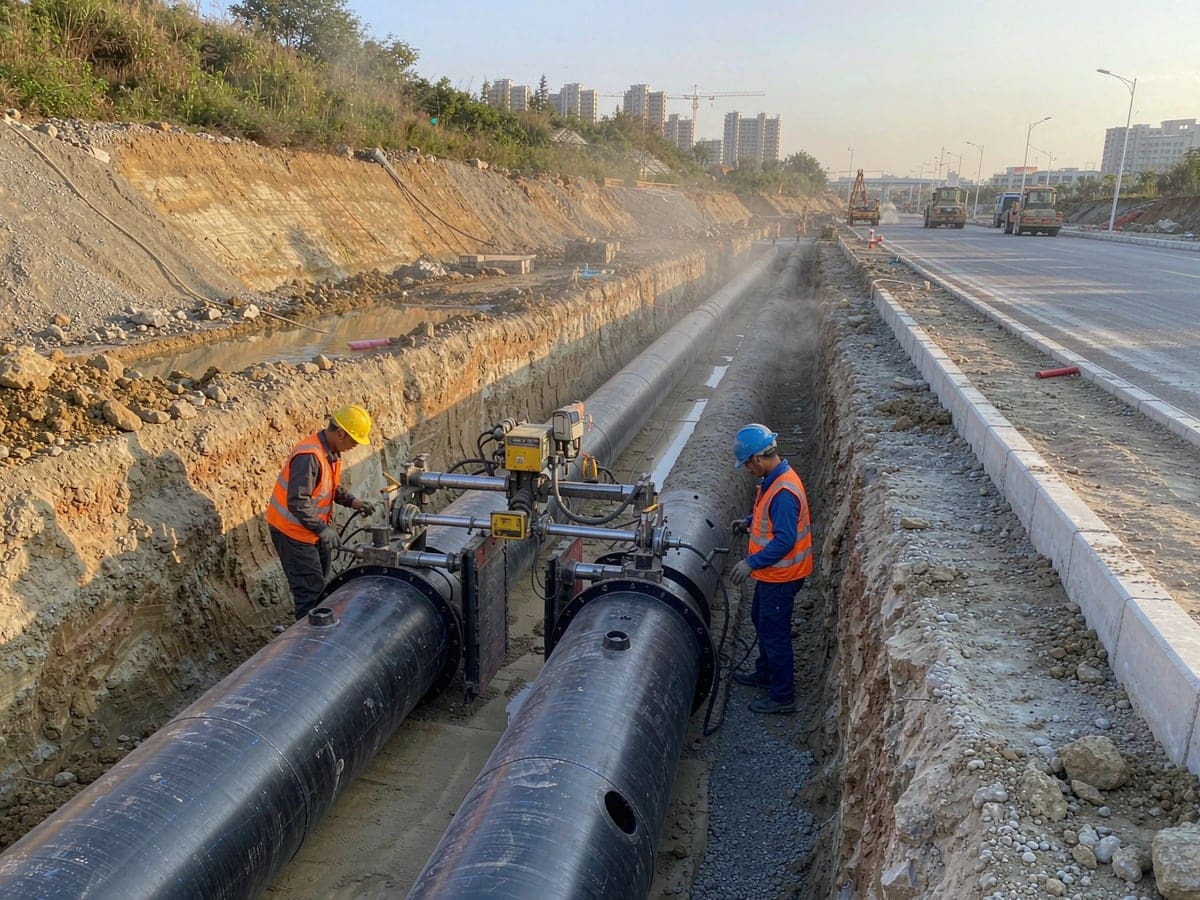
- Butt-fusion machines, facing tools and on-site welding supervision for the contractor's crews
How it was built
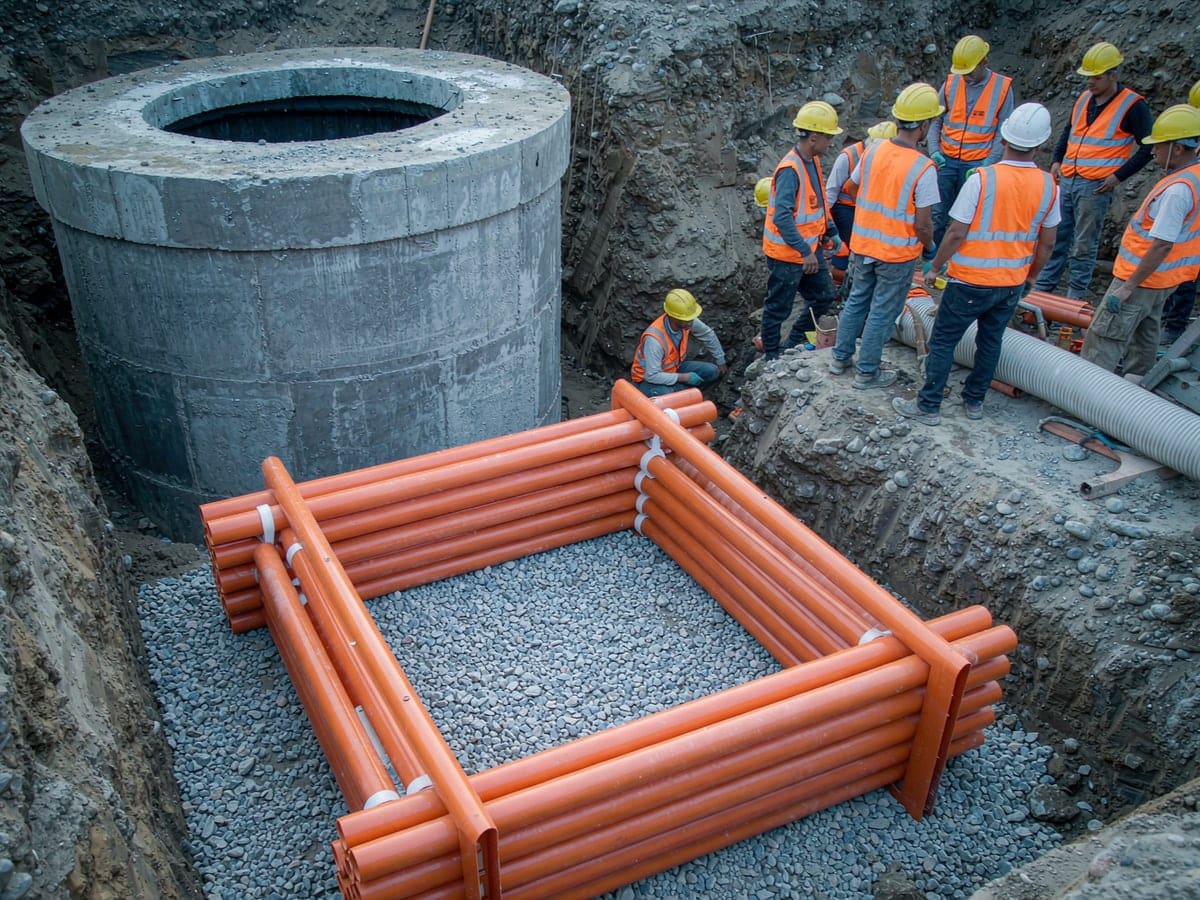
Work was split into 14 zones, each closed for a maximum of two nights. Pipe strings were fused on the shoulder of the road during the day, pressure-tested at 1.5 times working pressure, then lowered into the trench after the evening peak. In the old town, where trench width was limited to 600 mm, we switched from 12 m sticks to 6 m sections jointed with electrofusion couplings, which kept the open cut short and traffic moving.
Two crossings were the critical path. At the Bulacao river the pipe was assembled on the bank, floated into position with sealed ends, and sunk into a pre-dredged trench; at the highway crossing a 42 m bore was pulled through in a single pull with a load cell recording tension throughout. Both passed hydrostatic testing first time.
Result
The first 12.4 km entered service on schedule. Because PE has a smoother bore and no internal corrosion, the utility recorded a measurable drop in pumping head on the same duty. Within twelve months non-revenue water in the rehabilitated zones fell from 31% to 9%, and the number of burst repairs dropped from roughly 40 per year to three. The utility has since tendered a second phase of 18 km using the same specification.
For us the lesson was in logistics rather than pipe: in a dense city the constraint is how much open trench you can hold at once, and that dictated the jointing method far more than pressure class did.