A new electronics plant in Rayong needed its entire above-ground and buried piping package — process water, domestic water, fire main, and drainage — delivered as one coordinated supply. The main contractor's constraint was not price but sequence: every joint had to arrive tagged to a line number, because the plant was being fitted out floor by floor while production equipment was already being installed upstairs.
Scope
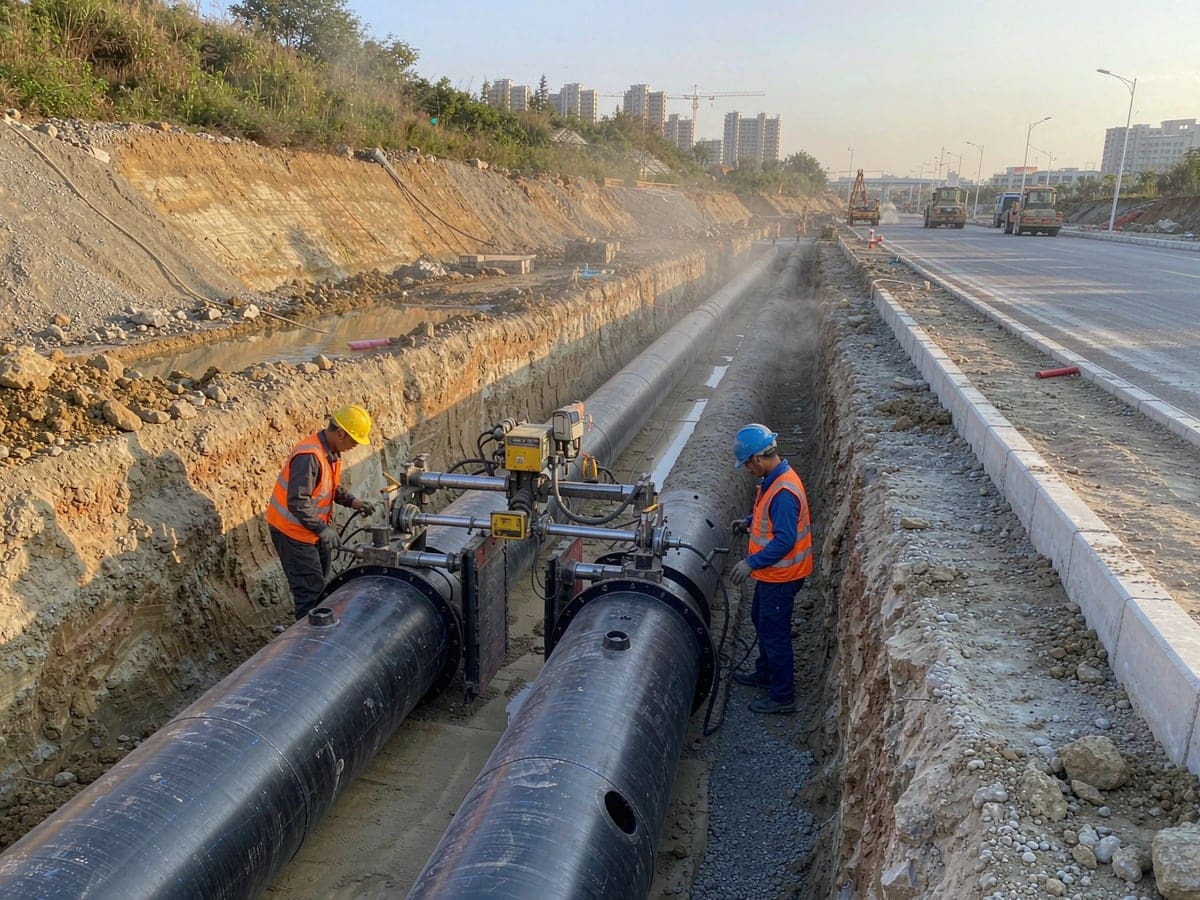
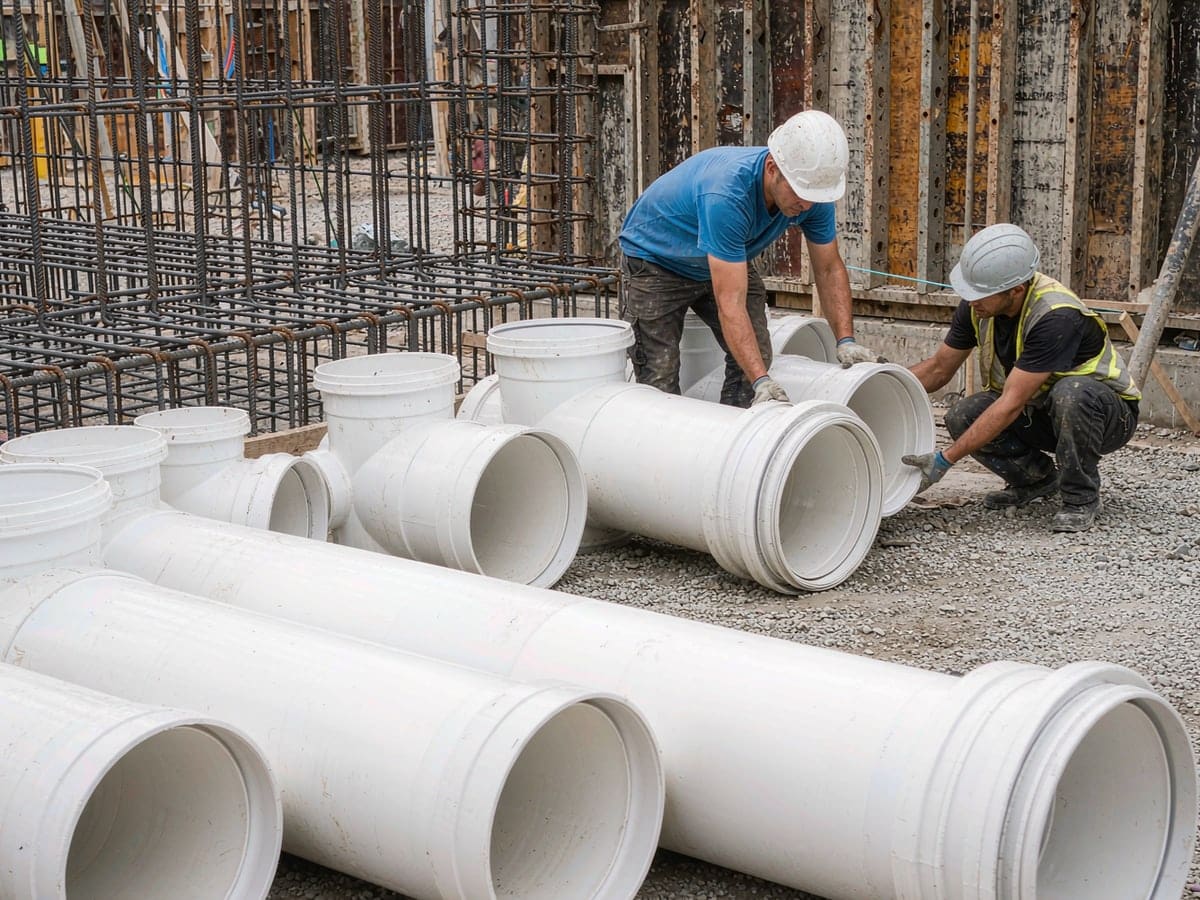
- HDPE butt-fusion and electrofusion fittings, d90 to d315, for the buried process water ring main
- PP-R socket-fusion fittings, d20 to d110, for domestic hot and cold water
- PP compression fittings, d20 to d63, for the irrigation and washdown network
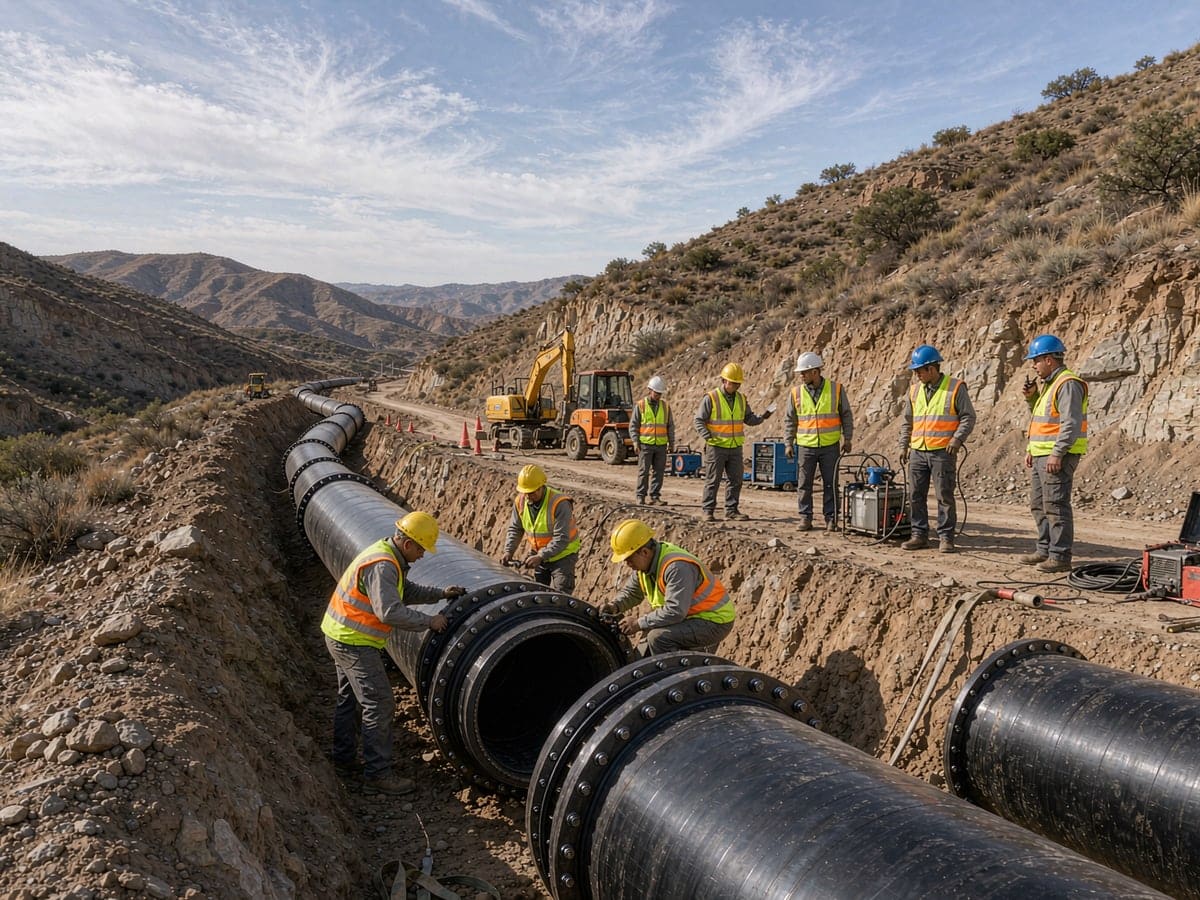
- Flanged adaptors, butterfly valves and air release valves, pre-assembled into 46 valve sets
How it was organised
Every fitting was packed by line number, not by type. A crew opening a box found exactly the elbows, tees and reducers for one riser, with a QR label linking to the isometric drawing. This sounds trivial; on a site with 6,800 joints it removed the daily hour that crews otherwise spend hunting through bins — and it eliminated the wrong-size substitutions that cause most rework on fitting packages.
Ten weeks, six crews, three pressure-test zones. Each zone was tested at 1.5 times working pressure, held for one hour, and signed off before the next zone was filled. Two failures occurred, both traced to a missing fusion collar on a d250 tee; both were cut out and remade within a shift.
Result
The plant was handed over with zero outstanding punch items on the piping scope. Because the fittings arrived matched to lines, the contractor's rework rate on joints was under 1%, against a typical 4–6% on packages supplied loose. The same client has specified the same tagging method for a second plant in Vietnam.